
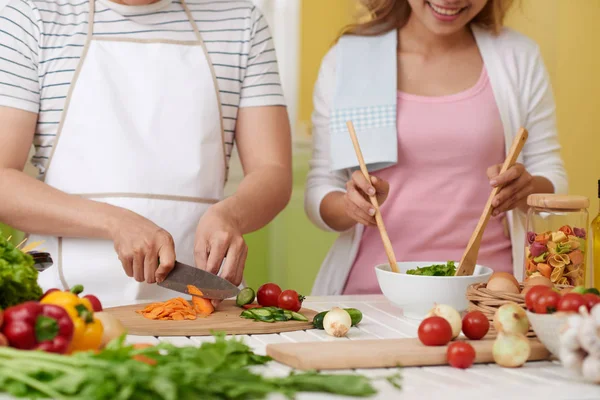
Cooking is much more than a daily chore—it’s a universal language that connects people across borders, generations, and cultures. Whether you’re perfecting a family lasagna recipe or experimenting with a new Thai curry, each meal you make is a celebration of creativity, heritage, and shared experience. In today’s fast-paced world, cooking has also become a form of mindfulness, self-expression, and even travel—without leaving your kitchen.
The Power of Home Cooking
In an age of convenience and takeout apps, home-cooked meals remain irreplaceable. Not only do they offer better nutrition, but they also create a deeper appreciation for ingredients and cooking techniques. Home kitchens are where traditions are passed down—grandma’s secret pie crust, dad’s chili recipe, or your own twist on a classic stir-fry.
Beyond nutrition, home cooking brings families together. Preparing food with loved ones fosters connection, teaches life skills, and turns mealtime into a meaningful ritual rather than a rushed obligation.
Popular Global Cuisines and What Makes Them Special
Every culture has its own signature flavors and ingredients. Exploring these cuisines not only diversifies your cooking skills but also introduces you to global traditions and values.
- Italian: Known for fresh ingredients and simple techniques—think pasta, olive oil, and cheese.
- Japanese: Focuses on balance, umami flavors, and seasonal ingredients—sushi, ramen, and miso soup are just a start.
- Mexican: Bold spices, beans, corn, and chilies define this flavorful and festive cuisine.
- Middle Eastern: Rich in spices like cumin, turmeric, and sumac, with dishes like hummus, falafel, and kebabs.
Table: Core Ingredients Across Global Cuisines
| Cuisine | Signature Ingredients | Common Dishes |
|---|---|---|
| Italian | Tomatoes, garlic, basil, pasta, cheese | Spaghetti, pizza, risotto |
| Japanese | Soy sauce, seaweed, rice, miso, fish | Sushi, tempura, udon |
| Mexican | Corn, beans, chili peppers, avocado | Tacos, enchiladas, mole |
| Middle Eastern | Lamb, yogurt, olive oil, herbs | Shawarma, tabbouleh, baklava |
Cooking as a Form of Travel
One of the most enjoyable aspects of cooking is its ability to take you places. Recreating a Moroccan tagine or a Hungarian goulash lets you experience another country’s culture without boarding a plane. Cooking global recipes is like taking a culinary tour of the world—from your kitchen counter.
Of course, nothing compares to tasting dishes in their homeland. Imagine savoring authentic Hungarian paprika chicken while cruising the Danube or learning how to prepare it during a food tour in Budapest. For those dreaming of a hands-on travel and food experience, Budapest tours offer unforgettable culinary adventures, local markets, and historic backdrops to enrich your love for cooking.
Tips for Beginner Cooks
If you’re just starting your cooking journey, here are a few tips to make the process smoother and more enjoyable:
- Start simple: Choose recipes with 5–7 ingredients to build confidence.
- Invest in basic tools: A quality knife, cutting board, and non-stick pan go a long way.
- Read recipes thoroughly: Understand each step before starting