
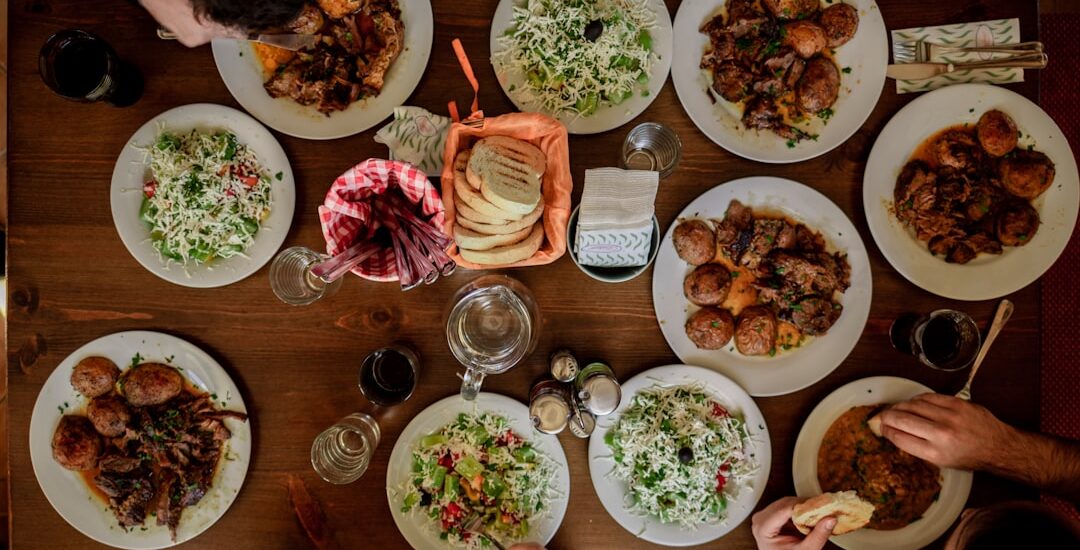
If you’ve ever stared at your fridge at 5:30 PM with no idea what to make for dinner, you’re not alone. Sixty percent of families feel stressed about weeknight dinners, and 70% say lack of time is the biggest barrier. But here’s the good news: you don’t need hours in the kitchen or complicated recipes to get healthy meals on the table. This article shares ten simple dinners ready in 30 minutes or less, plus the time-saving cooking methods, smart pantry staples, and realistic meal prep strategies that make weeknight cooking actually doable. These are practical solutions for real families—no perfection required.
Why Weeknight Dinners Feel So Overwhelming (And Why That’s Normal)
If you’ve ever stood in front of your open fridge at 5:30 PM feeling completely blank about what to make for dinner, you’re far from alone. Recent data shows that 60% of American families report feeling stressed about getting dinner on the table during busy weeknights. That’s more than half of us, struggling with the same daily challenge.
The reality is that modern family life has fundamentally changed how we approach dinner. Today, only 28% of families eat home-cooked meals six to seven nights per week, a significant drop from 47% in 1990. This isn’t about caring less or being less capable than previous generations. The landscape of work, school schedules, and after-school activities has simply become more demanding.
Time pressure stands out as the number one barrier to cooking at home, not lack of cooking skills or desire to feed your family well. Most American families spend just 30 to 40 minutes preparing dinner on weeknights. That’s barely enough time to chop vegetables, cook protein, and coordinate side dishes, let alone deal with picky eaters or unexpected homework meltdowns.
Here’s the encouraging news: you don’t need a complete lifestyle overhaul to make weeknight dinners work. Small, strategic changes can create a big difference in both your stress level and your family’s nutrition. The recipes and strategies in this article focus on realistic solutions for real families, not picture-perfect Instagram moments. When you understand that the struggle is universal and the time constraints are genuine, you can stop feeling guilty and start implementing practical approaches that actually fit your life.
The Game-Changing Cooking Methods That Save Time
When you’re staring down a Tuesday evening with hungry kids and 40 minutes until bedtime, the cooking method you choose matters just as much as the recipe itself. The right approach can turn a potentially stressful dinner rush into a manageable routine that actually works with your schedule.
Sheet Pan and One-Pot Wonders
Sheet pan dinners deliver serious time savings—cutting your cooking time by 25-30% compared to traditional multi-pot meals. The secret? Everything cooks together at one temperature while you handle homework or fold laundry. Toss chicken thighs with Brussels sprouts and sweet potatoes, drizzle with olive oil, and let your oven do the heavy lifting. Cleanup takes five minutes because there’s literally one pan to wash.
One-pot meals dominate quick dinner searches for good reason, making up 40% of weeknight recipe lookups. Think skillet pasta where you cook the noodles right in the sauce, or a hearty chicken and rice dish that goes from stove to table in one vessel. These methods aren’t just about convenience—they’re smart cooking that layers flavors as ingredients cook together.
Key benefits of these methods:
- Fewer dishes means less time at the sink (and less negotiating over who washes what)
- Vegetables and proteins cook simultaneously, maximizing efficiency
- Natural flavors blend together, often creating more delicious results than separate components
- Perfect for getting half your plate filled with vegetables, as MyPlate recommends
Set-It-and-Forget-It Slow Cooking
Slow cookers and Instant Pots require just 10-15 minutes of active prep time—usually in the morning or even the night before. Load your slow cooker with ingredients before work, and return home to a fully cooked meal. The Instant Pot offers similar hands-off cooking but compresses time, turning tough cuts of meat tender in under an hour.
These appliances suit different schedules perfectly. Morning people can prep a slow cooker before their first coffee. Night owls can use an Instant Pot after work and still eat by 7 PM. Both methods free you from constant monitoring, giving you time back for what actually matters.
Stock Your Pantry With These 5-7 Versatile Ingredients
A well-stocked pantry transforms weeknight cooking from stressful to straightforward. When you keep the right building blocks on hand, you’re never more than 30 minutes away from a satisfying family meal.
Essential Pantry Staples
These shelf-stable ingredients form the backbone of countless quick dinners:
- Whole grain pasta and rice – Brown rice, quinoa, and whole wheat pasta provide fiber-rich bases that pair with virtually any protein and vegetable combination
- Canned beans – Black beans, chickpeas, and white beans deliver plant-based protein and fiber while lasting months in your pantry
- Canned tomatoes – Diced, crushed, or whole tomatoes become the foundation for pasta sauces, chilis, soups, and skillet meals
- Low-sodium broth – Chicken and vegetable broth add depth to grains, sauces, and one-pot meals without excessive sodium
- Olive oil and basic seasonings – Quality olive oil, garlic powder, onion powder, cumin, and Italian herbs turn simple ingredients into flavorful dishes
Fresh Ingredients to Keep on Hand
Stock these versatile items during your weekly grocery run:
- Eggs – Scrambled into fried rice, baked into frittatas, or served over grain bowls, eggs provide affordable protein that cooks in minutes
- Frozen vegetables – Pre-chopped broccoli, bell peppers, and mixed vegetables eliminate prep work while maintaining nutritional value
- Chicken breasts or thighs – These lean proteins adapt to countless cooking methods and flavor profiles
- Seasonal vegetables – Whatever looks freshest at your store works. Zucchini, bell peppers, spinach, and cherry tomatoes integrate easily into most recipes
When these ingredients live in your kitchen, decision fatigue disappears. You’re not starting from scratch each night. Instead, you’re mixing and matching familiar components into different combinations—pasta with white beans and spinach on Monday, chicken stir-fry with rice on Wednesday, bean and vegetable tacos on Friday.
Weekend Meal Prep That Actually Works
Spending just two hours on a Sunday can buy you back 3-5 hours during the week. That’s the math that makes weekend meal prep worth it for busy families who want healthy dinners without the nightly scramble.
The secret isn’t cooking seven complete meals in advance. Most families find that approach overwhelming and end up with tired leftovers by Thursday. Instead, focus on strategic prep that cuts your weeknight cooking time in half while keeping meals fresh and appealing.
What to Prep on Sundays
Think of Sunday prep as setting up your weeknight success stations. Here’s what actually saves time:
- Wash and chop vegetables for the entire week. Pre-cut bell peppers, broccoli florets, and carrot sticks stay crisp in airtight containers for 5-7 days. This single step reduces your weeknight prep by 50%.
- Cook your proteins in bulk. Bake 3-4 pounds of chicken breasts, brown 2 pounds of ground turkey, or roast a whole chicken. Shred or slice the meat and portion it into containers. Each protein can be used in completely different meals throughout the week.
- Prep your grains and starches. Cook a large batch of brown rice, quinoa, or pasta. These reheat beautifully and form the base for quick bowls, stir-fries, and casseroles.
- Make one complete freezer meal. Double a recipe you’re already making for Sunday dinner and freeze half for a chaotic Wednesday three weeks from now.
Freezer-Friendly Meal Ideas
Stock your freezer with these reliable backup options that taste just as good after thawing:
- Chicken enchiladas (wrap individually in foil)
- Turkey and vegetable chili (freeze in portion-sized containers)
- Meatballs with marinara sauce (freeze separately for flexibility)
- Vegetable lasagna (cut into squares before freezing)
Families who plan meals this way save an average of $2,000 annually by reducing food waste and avoiding last-minute takeout. The key is keeping your prep realistic and your expectations flexible.
10 Simple Weeknight Dinner Ideas Ready in 30 Minutes or Less
When you’ve got only 30 minutes to get dinner on the table, the right recipe can transform a stressful evening into a win. These ten ideas follow the 15-minute active cooking rule—meaning you’re hands-on for just a quarter-hour while the oven or stovetop does the rest. Each meal also hits the USDA MyPlate sweet spot: half your plate covered in colorful fruits and vegetables.
Sheet Pan Suppers
Sheet pan cooking cuts your time in the kitchen by up to 30% compared to juggling multiple pots. Just as important? One pan means minimal cleanup.
- Lemon Herb Chicken with Roasted Vegetables: Toss chicken thighs with broccoli, bell peppers, and cherry tomatoes. Season with lemon, garlic, and herbs. Roast at 425°F for 25 minutes.
- Sausage and Sweet Potato Hash: Slice turkey sausage and cube sweet potatoes with Brussels sprouts. Drizzle with olive oil and roast until crispy and caramelized.
- Teriyaki Salmon with Snap Peas: Place salmon fillets alongside snap peas and sliced carrots. Brush with teriyaki sauce and bake for 18 minutes at 400°F.
One-Pot Wonders
One-pot meals dominate weeknight dinner searches for good reason—they deliver big flavor with zero fuss.
- 15-Minute Veggie Pasta Primavera: Cook whole wheat pasta with frozen mixed vegetables in the same pot. Toss with olive oil, garlic, and parmesan for a vegetarian winner.
- Quick Chicken and Rice Skillet: Sauté diced chicken with onions, add instant brown rice, frozen peas, and low-sodium broth. Cover and simmer for 15 minutes.
- Black Bean Taco Soup: Combine canned black beans, diced tomatoes, corn, and taco seasoning in one pot. Simmer for 20 minutes and top with avocado.
Quick Skillet Meals
A well-seasoned skillet becomes your best friend when you need dinner fast.
- Shrimp Stir-Fry: Toss shrimp with pre-cut stir-fry vegetables and a simple soy-ginger sauce. Serve over quick-cooking rice noodles.
- Turkey and Spinach Quesadillas: Fill whole wheat tortillas with ground turkey, wilted spinach, and cheese. Cook until golden and serve with salsa.
- Chickpea Curry: Sauté onions and garlic, add canned chickpeas, coconut milk, and curry paste. Simmer for 15 minutes over spinach or cauliflower rice.
- Pork Tenderloin Medallions: Slice pork tenderloin into rounds, pan-sear for 3 minutes per side, and serve with sautéed green beans and quinoa.
Making Weeknight Dinners More Nutritious (Without Extra Time)
The nutrition gap between what busy families want to serve and what actually makes it to the table often comes down to small, strategic choices rather than overhauling entire meals. Following the USDA MyPlate guideline—where half your plate consists of fruits and vegetables—doesn’t require extra cooking time when you know the right shortcuts.
Research shows that children who eat family dinners consume 24% more vegetables than those who don’t, but getting those vegetables on the table faster makes consistency possible. The solution isn’t complicated recipes or exotic ingredients. It’s about working smarter with what you already have.
Keep a bag of frozen broccoli, spinach, or mixed vegetables in your freezer. These are nutritional powerhouses that steam in the microwave while you’re cooking the main dish. Toss frozen peas into pasta during the last two minutes of boiling. Stir baby spinach into soups, scrambled eggs, or rice dishes right before serving—it wilts instantly and adds vitamins without changing the flavor.
Swap refined grains for whole grains when the recipe allows. Brown rice, whole wheat pasta, and quinoa offer more fiber and nutrients without additional prep time. Many whole grain options now cook just as quickly as their refined counterparts.
Add protein-rich toppings to simple meals: a handful of chickpeas on salad, shredded rotisserie chicken over rice bowls, or a fried egg on grain bowls. These additions transform basic staples into balanced plates.
The goal isn’t perfection—it’s progress. Some nights will feature elaborate balanced meals, others will be simpler. What matters is creating a pattern where vegetables, whole grains, and lean proteins show up regularly, even if they arrive via the fastest route possible. A nutritious meal your family actually eats beats an elaborate dinner that never gets made.
The Real Cost Savings of Cooking at Home
The financial argument for home cooking isn’t just compelling—it’s dramatic. A typical home-cooked meal costs approximately $4.31 per person, while the same meal from a restaurant averages $20.37. That’s nearly five times more expensive for dining out, and the gap widens when you factor in tips, delivery fees, and service charges.
These numbers translate into substantial annual savings. Families who commit to meal planning save an average of $2,000 per year on food costs, according to USDA data. That’s a family vacation, an emergency fund contribution, or several months of utility bills. The savings come not just from avoiding restaurants but from reducing food waste, buying ingredients strategically, and taking advantage of bulk purchasing for staple items.
Even when you incorporate convenience items—pre-washed salad greens, rotisserie chicken, or frozen vegetables—home cooking remains significantly more economical than takeout or restaurant meals. A weeknight dinner built around a $6 rotisserie chicken, $3 worth of frozen broccoli, and $2 of instant rice still costs roughly $11 to feed a family of four. The equivalent restaurant meal would easily run $50-60 before tip.
The explosion of meal kit services, which have grown 300% in recent years, demonstrates that families recognize the value proposition of home cooking even when they’re willing to pay a premium for convenience. These kits typically cost $8-12 per serving—double the cost of shopping yourself, but still half the price of restaurant dining. The growth signals that families want solutions that help them cook at home without the mental load of planning and shopping, underscoring that the barrier isn’t the cost of ingredients but the time and energy required to organize meals.
Your Next Step: Start Small and Build Momentum
Weeknight dinner stress is completely normal—and completely solvable. You don’t need to implement every strategy in this article tomorrow to see real change in your family’s eating habits. The magic happens when you choose just one approach that fits your schedule and stick with it for a few weeks.
Maybe you start by stocking your pantry with those versatile staples so you’re never completely stuck at 5:30 PM. Or perhaps you dedicate one Sunday afternoon to chopping vegetables and cooking a batch of chicken. You might simply commit to trying two sheet pan dinners this week to see how much easier cleanup becomes.
Small changes create momentum. When Monday’s dinner comes together in 25 minutes instead of a stressful hour, you’ll feel encouraged to try another time-saving method on Wednesday. Before long, these strategies become habits rather than extra effort.
Remember that eating together matters beyond the nutrition on the plate. Family dinners strengthen connections, improve children’s eating habits, and create daily moments of togetherness in our busy lives. The goal isn’t perfection or Pinterest-worthy presentations. It’s getting real food on the table so you can sit down together, even if it’s just for 20 minutes.
Pick one strategy from this article and try it this week. That’s all. You’ve got this.