
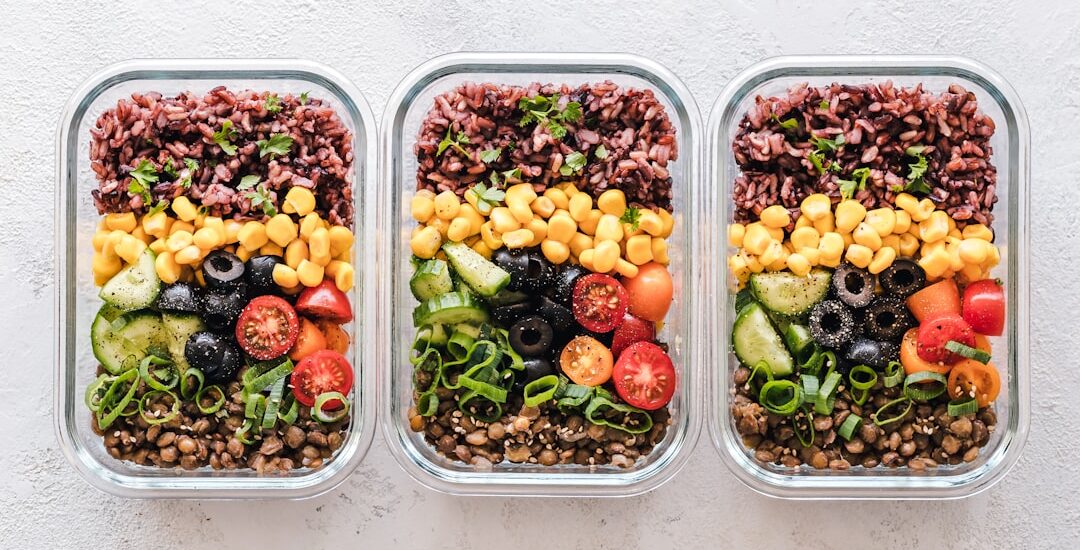
If you’ve ever watched a lovingly packed lunch come home uneaten—or found yourself grabbing expensive takeout at noon because you ran out of time to prep—you’re not alone. Packing nutritious lunches that your family will actually eat is one of the most common challenges busy parents face. Between balancing nutrition, managing budgets, working around picky eaters, and fitting it all into an already packed schedule, lunch can feel like an impossible puzzle. But here’s the good news: homemade lunches save $6-8 per meal compared to buying out, support better focus and academic performance, and help your family meet nutritional goals without stress. In this guide, you’ll find 25+ practical lunch recipes that work for both kids and adults, plus meal prep strategies, food safety tips, and budget-friendly approaches that make healthy lunch packing easier than you ever thought possible.
Why Packing Healthy Lunches Matters (More Than You Think)
That midday meal carries more weight than most families realize. For school-age children, lunch accounts for 35-40% of their daily caloric intake, making it one of the most nutritionally significant meals of the day. What goes into that lunchbox isn’t just filling a hungry stomach—it’s fueling growing bodies and developing brains during critical learning hours.
The numbers tell a compelling story. Children who bring nutritious lunches from home consume an average of 160 fewer calories compared to those eating typical cafeteria meals, while also showing an 11% improvement in academic performance and better concentration throughout the afternoon. That’s not about restriction—it’s about quality nutrition that sustains energy and focus when kids need it most.
Working adults face their own lunchtime challenges. A striking 67% of employed adults report regularly skipping lunch or eating at their desks, which typically leads to poor food choices, afternoon energy crashes, and compensatory overeating later in the day. The afternoon slump isn’t just about needing coffee—it’s often the direct result of a skipped or nutritionally inadequate lunch.
Beyond health benefits, the financial impact adds up quickly. Packing lunch at home saves approximately $6-8 per meal compared to buying out. For a family of four, that translates to $120-160 per week, or roughly $6,000-8,000 annually. Those savings can fund family vacations, emergency funds, or other financial priorities while simultaneously improving everyone’s nutrition.
The reality is simple: lunch isn’t just another meal to check off the list. It’s a daily opportunity to invest in your family’s health, performance, and financial wellbeing—one packed container at a time.
Building a Balanced Lunch: The Essential Components
A well-balanced lunch does more than fill your stomach—it fuels concentration, prevents the dreaded 2 p.m. energy crash, and keeps you satisfied until dinner. The formula is simpler than you might think: aim for 20-30 grams of lean protein, complex carbohydrates, healthy fats, and at least two servings of fruits or vegetables.
Protein Powerhouses
Protein is your secret weapon for sustained focus and energy. When you include adequate protein at lunch, you’re supporting steady blood sugar levels that maintain concentration for 3-4 hours. This prevents the afternoon slump that sends you reaching for sugary snacks or another cup of coffee.
Great protein options for packed lunches:
- Grilled chicken breast (3 oz provides about 26g protein)
- Hard-boiled eggs (6g protein each)
- Greek yogurt (15-20g protein per cup)
- Chickpeas or black beans (7-8g protein per half cup)
- Turkey slices or leftover salmon
- Nut butters (7-8g protein per 2 tablespoons)
Smart Carbohydrate Choices
Not all carbs are created equal. Whole grains deliver 3-5 grams more fiber than their refined white counterparts, which means better satiety and more stable energy throughout the afternoon. This difference matters when you’re trying to stay focused during back-to-back meetings or help kids power through afternoon classes.
Choose these complex carbohydrates:
- Quinoa or brown rice
- Whole grain bread or wraps
- Sweet potatoes
- Oats (perfect for overnight oats)
- Whole wheat pasta
The rainbow rule makes veggie selection easy: aim for different colors throughout the week. Orange carrots, red peppers, purple cabbage, and dark leafy greens each bring unique vitamins and minerals to your plate. When you pack two or more produce servings per lunch, you’re addressing a critical nutrition gap—only 1 in 10 Americans currently eat enough fruits and vegetables daily, with lunch being the most commonly missed opportunity.
Don’t forget healthy fats from sources like avocado, nuts, seeds, or olive oil-based dressings. They help absorb fat-soluble vitamins and add satisfying richness that makes healthy lunches genuinely enjoyable.
Smart Meal Prep Strategies That Actually Save Time
Dedicating just a few hours on the weekend to lunch prep can save you 3-4 hours during the hectic weekdays and cut food waste by up to 30%. The secret isn’t cooking every single meal in advance—it’s preparing versatile components that work across multiple lunches throughout the week.
Sunday Prep Session Blueprint
Transform your Sunday afternoon into a productive prep session that sets your family up for success. Here’s how to maximize your time:
- Start with proteins first (60-75 minutes): Bake 2-3 pounds of chicken breast, hard-boil a dozen eggs, and roast two sheet pans of chickpeas. These three proteins alone create the foundation for dozens of lunch combinations—from chicken wraps and salads to egg muffins and chickpea bowls.
- Wash and chop vegetables (30 minutes): Prep bell peppers, carrots, cucumbers, cherry tomatoes, and leafy greens. Store them in airtight containers lined with paper towels to absorb excess moisture.
- Cook your grains and starches (20 minutes active time): Set rice, quinoa, or pasta to cook while you’re handling other tasks. These become the base for grain bowls, pasta salads, and side dishes.
- Portion and pack (15-20 minutes): Divide everything into individual containers. Research shows that 45% of health-conscious families prioritize lunch prep over other meals, making this step crucial for maintaining the habit.
Storage and Organization Tips
Proper storage keeps your prepped ingredients fresh for 4-5 days and prevents that dreaded midweek scramble. Use glass containers with tight-fitting lids for proteins and cooked grains—they resist staining and won’t absorb odors. For salads, try the mason jar method: dressing on the bottom, hearty vegetables next, proteins and grains in the middle, and delicate greens on top. This layering technique keeps ingredients fresh until you’re ready to shake and eat.
Label everything with prep dates using masking tape and a marker. Store raw vegetables in the crisper drawer, cooked proteins on upper shelves where temperatures stay most consistent, and assembled lunches front and center for easy grab-and-go access.
25+ Healthy Lunch Ideas for Every Taste and Schedule
Packing lunches that stay fresh, taste delicious, and deliver balanced nutrition doesn’t require culinary school training. These recipes cover everything from grab-and-go options to warming comfort foods, organized so you can quickly find what works for your family’s schedule and taste preferences.
Sandwiches & Wraps That Don’t Get Soggy
The secret to fresh sandwiches is keeping wet ingredients separate until lunchtime, or using moisture barriers like lettuce or cheese slices between fillings and bread.
- Mediterranean Veggie Wrap: Whole wheat tortilla with hummus (spread the night before), roasted red peppers, cucumber, feta, and spinach
- Turkey Apple Cheddar: Whole grain bread with sliced turkey breast, thin apple slices, sharp cheddar, and a separate container of honey mustard
- Chickpea Salad Pita: Mashed chickpeas with Greek yogurt, diced celery, and grapes stuffed in whole wheat pita
- BBQ Chicken Lettuce Wraps: Shredded rotisserie chicken with BBQ sauce, shredded carrots, and cabbage in romaine leaves
- Tuna Avocado Toast: Pack mashed avocado separately to spread on whole grain bread with canned tuna and tomato slices
Cold Salads & Grain Bowls
When properly layered with dressing at the bottom, these mason jar salads stay crisp for up to five days, making Sunday meal prep incredibly efficient.
- Rainbow Mason Jar Salad: Balsamic vinaigrette, cherry tomatoes, cucumbers, chickpeas, shredded carrots, and greens on top
- Asian Quinoa Bowl: Sesame ginger dressing, edamame, shredded purple cabbage, quinoa, snap peas, and mandarin oranges
- Greek Pasta Salad: Whole wheat pasta, chickpeas, cucumber, feta, olives, and cherry tomatoes with lemon herb dressing
- Southwest Corn and Bean Bowl: Black beans, corn, diced peppers, brown rice, and cilantro lime dressing
Bento Box Combinations
Compartmentalized lunch boxes encourage portion control and variety, helping you meet the recommended 20-30 grams of protein and at least two servings of produce per meal.
- Protein Power Box: Hard-boiled eggs, whole grain crackers, string cheese, baby carrots, grapes, and almonds
- Pizza-Inspired Bento: Whole wheat pita triangles, marinara dipping sauce, mozzarella cubes, cherry tomatoes, and pepperoni
- Breakfast for Lunch: Mini whole grain waffles, almond butter, banana slices, turkey sausage, and berries
- Snack Plate Lunch: Hummus, whole grain pita chips, cucumber slices, cherry tomatoes, olives, and grilled chicken strips
Warm & Comforting Options
For those with microwave access, these hot lunches provide satisfying comfort without sacrificing nutrition.
- Turkey Chili: Lean ground turkey, kidney beans, diced tomatoes, and peppers in a thermos
- Veggie Fried Rice: Brown rice, scrambled eggs, frozen mixed vegetables, and low-sodium soy sauce
- Chicken and Sweet Potato Bowl: Diced roasted chicken, cubed sweet potato, steamed broccoli, and tahini drizzle
- Minestrone Soup: Vegetable broth, white beans, whole wheat pasta, and mixed vegetables
- Burrito Bowl: Brown rice, black beans, grilled chicken, salsa, Greek yogurt, and shredded lettuce
Packing Lunches Kids Will Actually Eat
Getting children to eat healthy lunches requires patience and strategy, not perfection. Research shows that kids typically need 8-15 exposures to a new food before they’ll accept it, which means today’s rejected carrot stick might become next month’s favorite snack. The key is creating a sustainable approach that doesn’t turn lunch packing into a daily battle.
Getting Kids Involved
The single most effective way to increase lunch acceptance is letting kids participate in the process. When children help plan and prepare their meals, they develop ownership and curiosity about what they’re eating. Start by offering structured choices rather than open-ended questions. Instead of “What do you want for lunch?” try “Should we pack apple slices or berries with your sandwich?” This gives them autonomy while keeping options within healthy boundaries.
Weekend meal prep sessions work particularly well for involving kids. Younger children can wash produce, arrange crackers on a plate, or select which containers to use. Older kids can assemble their own sandwiches, portion out snacks into containers, or even help cook proteins like hard-boiled eggs or grilled chicken strips.
Making Healthy Fun
Bento-style lunch boxes with multiple compartments transform ordinary meals into appealing, restaurant-style presentations. These divided containers naturally encourage portion control and variety, making it easy to include lean protein, whole grains, and at least two servings of fruits or vegetables. The visual separation also helps picky eaters who don’t like foods touching.
Balance is about progression, not perfection. Pack 70% familiar favorites alongside 30% new or less-preferred foods. If your child loves cheese and crackers, include them alongside cherry tomatoes or snap peas. Use cookie cutters to create fun shapes from sandwiches, melon, or cheese. Add a small container of ranch or hummus for dipping vegetables. These small touches make nutritious foods more approachable without requiring elaborate Pinterest-worthy creations that aren’t sustainable for busy families.
Food Safety and Storage: Keeping Lunches Fresh and Safe
Nobody wants to open their lunch bag at noon and discover warm yogurt or wilted greens. Beyond the disappointment, there’s a real safety concern: food left in the “danger zone” between 40°F and 140°F for more than two hours can harbor harmful bacteria that cause foodborne illness.
The good news? With the right equipment and techniques, you can keep packed lunches fresh and safe for the entire school or work day. A quality insulated lunch bag paired with at least two ice packs will maintain safe temperatures for 4-6 hours, giving you plenty of buffer time. The trick is pre-chilling both your ice packs overnight and your prepared food in the refrigerator before packing.
Foods that need cold storage:
- Dairy products (yogurt, cheese, milk)
- Deli meats and cooked chicken
- Egg-based dishes
- Cut fresh fruits and vegetables
- Hummus and other dips
- Leftover pasta or rice dishes
Room-temperature safe options:
- Whole fruits with peels (apples, oranges, bananas)
- Nut or seed butters
- Crackers and whole grain bread
- Dried fruits and nuts
- Unopened shelf-stable items
Mason jar salads deserve special mention for their impressive five-day freshness when properly assembled. The secret is strategic layering: always place dressing at the bottom, followed by hearty vegetables like cucumbers or carrots, then grains or proteins, with delicate greens on top. Keep the jar upright until you’re ready to eat, then shake to mix.
Consider this: American families waste approximately $1,800 worth of food annually. Packing lunches that actually get eaten—because they’re fresh, appealing, and safe to consume—directly combats this waste while protecting your family’s health. Check your packed lunch before eating: if it feels warm to the touch or smells off, play it safe and discard it.
Budget-Friendly Lunch Planning for Families
Packing lunches at home costs between $2-4 per meal compared to $8-12 for purchased options at cafeterias, restaurants, or meal delivery services. For a family of four packing lunch five days a week, that’s a savings of roughly $120-160 every week—money that adds up to over $6,000 annually. Beyond the immediate financial relief, homemade lunches give you complete control over nutrition and portion sizes while reducing the food waste that comes with impulse purchases.
Smart Shopping Strategies
Focus your grocery budget on versatile ingredients that work across multiple lunch recipes throughout the week. Rotisserie chicken, for example, transforms into chicken salad wraps, grain bowls, quesadillas, and pasta salads. A block of cheese costs less per ounce than pre-sliced varieties and serves double duty in sandwiches and snacks. Buy seasonal produce when it’s cheapest and most flavorful—berries in summer, apples in fall, citrus in winter. Purchasing pantry staples like whole grain bread, nut butters, beans, and pasta in bulk quantities reduces the per-serving cost significantly.
Stretching Your Ingredients
Strategic use of leftovers turns dinner into tomorrow’s lunch without feeling repetitive. Grilled chicken from Monday’s dinner becomes Tuesday’s wrap filling. Extra rice transforms into a fried rice bowl. Sunday’s roasted vegetables layer beautifully in a grain bowl or get tucked into a pita pocket. This approach can reduce household food waste by up to 30% while maximizing the value of every grocery dollar spent. Batch-cooking components on weekends—like hard-boiled eggs, washed and chopped vegetables, or cooked grains—means you’re assembling lunches rather than cooking them each morning, saving both time and the temptation to buy lunch out.
Your Path to Easier, Healthier Lunches
Packing healthy lunches is more than a daily task—it’s an investment in your family’s health, academic performance, workplace focus, and financial future. Every nutritious lunch you send supports better concentration, sustained energy, and eating habits that will serve your children for a lifetime. And yes, those savings of $6,000-8,000 annually? That’s real money that can transform your family’s financial picture.
The truth is, it gets easier with practice and systems in place. You don’t need to overhaul everything overnight or create Instagram-perfect bento boxes every morning. Start small: commit to prepping just 2-3 lunches in advance this Sunday. Choose one protein, one grain, and a few vegetables from the recipes in this guide. Involve your kids in selecting their favorites. Build your confidence and your routine gradually.
Remember, you’re not aiming for perfection—you’re creating sustainable habits that work for your real life, with your real schedule, and your real family. Small, consistent efforts compound into lasting change. The lunch you pack today is shaping healthier, happier, more focused family members tomorrow. You’ve got this, and your family’s health is absolutely worth the effort.