
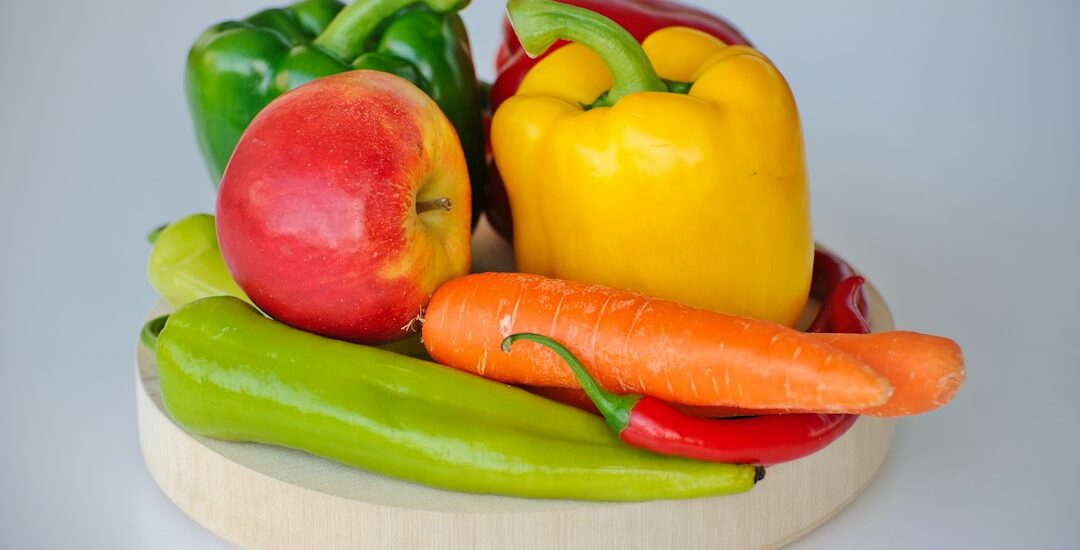
We all know vegetables should fill half our plate, yet here’s the reality: only 1 in 10 adults actually meet the USDA’s daily vegetable recommendations. If you’re struggling to get your kids—or yourself—to eat enough greens, you’re in good company. The good news? You don’t need to sneak pureed spinach into every meal or stage dinnertime battles. These 12 practical strategies work for real families juggling real schedules. Some involve a little creativity, others just smarter timing, but none require perfection. Small, consistent changes add up to significant health benefits, and that’s what we’re after—progress, not perfection.
Why Getting Enough Vegetables Matters for Your Family
Most families know vegetables are important, but here’s the reality check: only 9% of adults actually meet the recommended daily vegetable intake. If you’re struggling to get greens on the table, you’re definitely not alone.
The USDA suggests vegetables should fill half your plate at every meal. For children, that translates to 1 to 3 cups daily, depending on their age. A toddler needs about 1 cup per day, while teenagers require closer to 2.5 to 3 cups. These aren’t arbitrary numbers. They’re based on what growing bodies need to develop properly, maintain energy levels, and build strong immune systems.
Here’s where it gets interesting: quantity isn’t the whole story. Vegetables fall into five distinct subgroups, and kids need variety across all of them throughout the week:
- Dark green vegetables (spinach, broccoli, kale)
- Red and orange vegetables (tomatoes, carrots, bell peppers, sweet potatoes)
- Beans and peas (black beans, chickpeas, lentils)
- Starchy vegetables (corn, potatoes, green peas)
- Other vegetables (cauliflower, cucumbers, mushrooms, zucchini)
Each subgroup delivers different vitamins, minerals, and plant compounds that work together to support everything from brain development to digestive health. A child who only eats carrots and corn is missing out on the iron from dark greens and the fiber from beans, even if they’re technically eating enough volume.
The good news? You don’t need to achieve perfection every single day. Think in terms of what your family eats over the course of a week. Small, consistent additions make a bigger difference than occasional perfect plates.
Start with Cooking Methods That Make Vegetables Irresistible
The difference between a plate of sad, steamed broccoli and one that your kids actually ask for seconds of often comes down to one thing: how you cook it. The right cooking method transforms vegetables from bland obligation into something genuinely delicious, and it’s easier than you might think.
The Magic of Roasting
Roasting is your secret weapon for vegetable acceptance. When vegetables hit high heat in the oven (around 400-425°F), their natural sugars caramelize and create sweet, crispy edges that even skeptical eaters enjoy. This technique works wonders on vegetables that kids typically push around their plates—Brussels sprouts turn nutty and crispy, carrots become candy-sweet, and even cauliflower develops a satisfying crunch.
The method is refreshingly simple. Toss cut vegetables with a tablespoon or two of olive oil, spread them in a single layer on a baking sheet (crowding makes them steam instead of roast), and let the oven do the work. Most vegetables roast beautifully in 20-30 minutes. Broccoli, bell peppers, zucchini, sweet potatoes, and green beans all respond well to this treatment.
Quick Seasoning Tricks Kids Love
While roasting handles the heavy lifting, smart seasoning seals the deal. Start with salt—it brings out natural flavors rather than masking them. A sprinkle of garlic powder adds savory depth without the texture issues some kids have with fresh garlic pieces.
For naturally sweet vegetables like carrots or sweet potatoes, try a light dusting of cinnamon or a drizzle of maple syrup before roasting. Parmesan cheese sprinkled on roasted broccoli or green beans in the last few minutes of cooking creates an irresistible salty-crispy coating. Ranch seasoning mix (the dry powder) works magic on roasted cauliflower and potatoes.
Keep it simple at first. Once your family gets comfortable with basic roasted vegetables, you can experiment with bolder flavors like cumin, Italian seasoning, or a squeeze of fresh lemon juice.
Blend Vegetables Into Favorite Family Foods
When vegetables disappear into familiar foods, even the pickiest eaters won’t put up a fight. Blending, pureeing, and finely chopping vegetables transforms them into invisible nutrition boosters that maintain the textures your family already loves.
Sneaky Additions That Actually Work
The key to successful vegetable blending is matching the vegetable to the dish. Pureed vegetables work beautifully in sauces, smoothies, and baked goods because they integrate seamlessly without changing the expected texture.
Start with these tried-and-true combinations:
- Tomato sauce: Blend in steamed cauliflower, carrots, or zucchini for added vitamins without altering the familiar flavor
- Smoothies: Add a handful of spinach or frozen cauliflower rice to fruit smoothies (the sweetness masks any veggie taste)
- Muffins and pancakes: Stir shredded zucchini or pureed pumpkin into batters for moisture and nutrients
- Mac and cheese: Blend butternut squash or cauliflower into the cheese sauce for a creamy, vitamin-rich upgrade
- Meatballs and burgers: Mix finely grated vegetables directly into the mixture before cooking
The beauty of this approach is that it works particularly well for picky eaters who reject visible vegetables but happily eat their favorite dishes. Research shows that blending vegetables into familiar foods can help children gradually accept new flavors through repeated exposure.
Ground Meat Magic
Here’s a game-changer: you can increase the vegetable content of ground meat dishes by 25-50% without anyone noticing. Finely chop or pulse vegetables in a food processor until they match the texture of ground meat, then mix them together before cooking.
This technique works exceptionally well with:
- Tacos and taco bowls: Add finely chopped mushrooms, bell peppers, or black beans to ground beef or turkey
- Spaghetti sauce: Mix grated carrots, minced celery, and finely diced mushrooms with ground meat
- Chili: Bulk up the pot with diced peppers, corn, and extra beans alongside the meat
- Meatloaf: Incorporate shredded zucchini, grated carrots, or minced spinach into the meat mixture
The vegetables add moisture, stretch your grocery budget, and boost nutrition without changing what dinner looks like on the plate.
Use Vegetable Swaps in Familiar Dishes
Swapping vegetables for traditional grains can instantly double or triple your family’s vegetable servings without anyone feeling deprived. The secret is choosing swaps that mimic the texture and shape of the original ingredient, so your kids barely notice the difference in their favorite meals.
Cauliflower rice works beautifully in stir-fries, burrito bowls, and fried rice. Simply pulse cauliflower florets in a food processor until they resemble rice grains, then sauté with a bit of oil for 5-7 minutes. One cup of cauliflower rice contains just 25 calories compared to 200 calories in white rice, while adding fiber and vitamins C and K to your meal.
Zucchini noodles (or “zoodles”) are perfect pasta replacements for spaghetti nights. Use a spiralizer or julienne peeler to create long, noodle-like strands. They cook in just 2-3 minutes and pair wonderfully with marinara, pesto, or meat sauce. The familiar presentation helps kids accept them more readily than chopped vegetables.
Spaghetti squash offers another noodle alternative that many families prefer because it’s naturally stringy. Cut the squash in half, remove seeds, and roast face-down at 400°F for 40 minutes. Scrape out the flesh with a fork to create perfect “noodles.”
The beauty of these swaps is flexibility. Start with a 50-50 mix of vegetables and grains, then gradually increase the vegetable ratio as your family adjusts. Popular swap combinations include:
- Cauliflower rice mixed with regular rice in taco bowls
- Zucchini noodles tossed with whole wheat pasta
- Spaghetti squash topped with classic spaghetti sauce and meatballs
- Mashed cauliflower blended with mashed potatoes
These simple substitutions keep meals recognizable while significantly boosting vegetable intake—a win for both nutrition and family harmony.
Make Vegetables Convenient and Visible
The biggest barrier to eating more vegetables isn’t dislike—it’s effort. When you’re rushing to get dinner on the table between homework help and bedtime routines, washing, peeling, and chopping vegetables can feel like one task too many. Research shows that reducing prep barriers directly increases consumption, which is why convenience matters just as much as intention.
The Case for Frozen and Pre-Cut Vegetables
There’s no prize for chopping your own carrots. Frozen vegetables are picked at peak ripeness and flash-frozen to preserve nutrients, often containing more vitamins than fresh produce that’s been sitting in your crisper for a week. Pre-cut fresh vegetables from the grocery store save you 10-15 minutes of prep time, making weeknight cooking actually feasible. Yes, they cost more per pound, but if the alternative is ordering takeout or skipping vegetables entirely, they’re worth every penny.
Canned vegetables work too, especially options like diced tomatoes, pumpkin puree, and low-sodium beans. Keep them stocked in your pantry for last-minute meal additions.
Strategic Placement in Your Kitchen
Out of sight means out of mind, especially for kids. Place a bowl of washed cherry tomatoes, cucumber slices, or snap peas at eye level in the refrigerator where children can grab them while you’re making dinner. Keep a container of pre-cut bell peppers and carrots on the middle shelf, not hidden in the crisper drawer.
In the freezer, move bags of frozen broccoli, cauliflower rice, and mixed vegetables to the front. When they’re visible and accessible, you’ll actually use them. Store less nutritious options toward the back. This simple reorganization can increase your family’s vegetable consumption without changing a single recipe.
Add Vegetables Beyond Dinner
Most families focus their vegetable efforts on dinner, but here’s a surprising opportunity: only 8% of Americans eat vegetables at breakfast. That’s a huge missed window. Adding vegetables to breakfast alone can increase your family’s daily intake by one full serving—without changing anything else about your day.
The math is simple. If you’re struggling to get your kids (or yourself) to eat enough vegetables at dinner, spreading them across all meals and snacks takes the pressure off any single eating occasion. Instead of trying to pack 2-3 cups of vegetables into one meal, you can distribute them throughout the day when appetites and moods are more cooperative.
Breakfast Vegetable Ideas
Morning vegetables don’t have to mean eating salad at 7 a.m. Think about vegetables that blend naturally into foods your family already enjoys:
- Scrambled eggs or omelets with diced bell peppers, spinach, mushrooms, or leftover roasted vegetables
- Smoothies with frozen cauliflower, spinach, or zucchini (you won’t taste them alongside fruit)
- Breakfast burritos or wraps loaded with sautéed peppers, onions, and tomatoes
- Veggie muffins made with shredded zucchini or carrots
- Avocado toast topped with sliced tomatoes or microgreens
- Hash browns mixed with shredded sweet potato or butternut squash
Smart Snacking Strategies
Vegetable-based snacks contribute significantly to daily totals, often accounting for 20-25% of a child’s vegetable intake. The key is making them as convenient as the packaged snacks your family reaches for automatically.
Prep vegetables once a week and store them at eye level in the refrigerator:
- Baby carrots, cucumber slices, and bell pepper strips with hummus or ranch dip
- Cherry tomatoes paired with small cheese cubes
- Celery sticks with peanut butter or cream cheese
- Sugar snap peas (surprisingly sweet and kid-friendly)
- Roasted chickpeas seasoned with your family’s favorite spices
Keep a bowl of washed, ready-to-eat vegetables on the kitchen counter during after-school hours. Kids are more likely to eat what they see first when hunger strikes.
Start Meals with Vegetables First
Serving vegetables before the main course taps into a simple truth about human behavior: we eat more of whatever’s in front of us when we’re genuinely hungry. This strategic timing can dramatically increase the amount of vegetables your family consumes without any power struggles at the table.
When you start dinner with a vegetable-based soup or salad, family members naturally fill up on those nutrient-dense foods first. Research shows that people consume significantly more vegetables when they’re served as a first course rather than alongside everything else on the plate. Think about it—a bowl of tomato soup or a colorful mixed green salad arrives when everyone’s hungriest and most ready to eat.
This approach also helps with portion control for the entire meal. By taking the edge off hunger with vegetables, kids (and adults) are less likely to overload on heavier, more caloric main dishes. You’re not restricting anything or creating food rules—you’re simply working with natural hunger cues.
The beauty of this strategy is its flexibility. A starter doesn’t need to be elaborate. Simple options work perfectly:
- Raw veggie sticks with hummus while you finish cooking
- A quick cucumber and tomato salad with olive oil
- Roasted carrot soup made ahead and reheated
- Steamed broccoli with a squeeze of lemon
The key is consistency. Make it a family ritual that vegetables show up first, and you’ll notice everyone becomes more willing to try them. When hunger meets opportunity, vegetables suddenly become much more appealing—even to your pickiest eaters.
Get Kids Involved in the Process
When children have a hand in preparing their meals, something remarkable happens: they’re 76% more likely to try new vegetables. It’s not magic—it’s psychology. Kids who feel ownership over their food become curious rather than resistant.
The kitchen transforms into a learning lab when you invite your children in. A three-year-old can rinse lettuce leaves. A seven-year-old can snap green beans or tear herbs. A ten-year-old can safely use a vegetable peeler or measure ingredients. These small acts of participation create investment in the final dish, making that previously rejected broccoli suddenly worth a taste.
Start at the grocery store or farmers market. Let your child pick one new vegetable each week. They might choose purple carrots because they look cool or sugar snap peas because they can eat them raw while shopping. That simple choice gives them agency and sets the stage for acceptance at dinner.
Age-Appropriate Kitchen Tasks
Match tasks to your child’s abilities to build confidence and keep them engaged:
- Ages 2-4: Washing produce, tearing lettuce, stirring cold ingredients, sprinkling cheese
- Ages 5-7: Measuring ingredients, mixing salads, spreading vegetable dips, arranging vegetables on a plate
- Ages 8-10: Peeling vegetables with supervision, cutting soft items with a butter knife, reading recipes aloud
- Ages 11+: Chopping with proper knife skills, sautéing vegetables, following recipes independently
The Power of Persistence and Family Meals
Don’t give up after two rejections. Children typically need 8-15 exposures to a new vegetable before accepting it. That means serving roasted cauliflower every couple of weeks for months, not days. Each exposure familiarizes their palate without pressure.
The dinner table itself matters tremendously. Children who eat vegetables alongside their family consume 25% more than those eating alone. They watch you enjoy Brussels sprouts, hear siblings describe flavors, and absorb the message that vegetables belong at meals. No lectures required—just consistent modeling and zero-pressure offerings. Keep putting those vegetables on their plate, eat your own with genuine enjoyment, and trust the process.
Plan Ahead for Success
Families who dedicate just one hour to meal prep on weekends consume 30% more vegetables throughout the week. That’s not magic—it’s strategy. When you’ve already washed, chopped, and portioned your vegetables, you’re far more likely to actually use them when dinner rolls around on a hectic Tuesday evening.
The real benefit of planning goes beyond the prep work itself. Decision fatigue is a genuine obstacle to healthy eating. After a long day at work or managing the kids, your brain defaults to the easiest option available. Without a plan, that usually means boxed mac and cheese or takeout. With prepped vegetables ready to go, you’re removing barriers between your family and nutritious meals.
Here’s how to make meal planning work for your vegetable goals:
- Choose a consistent prep day. Sunday afternoon works for many families, but pick whatever day gives you 60-90 minutes of uninterrupted time.
- Wash and chop vegetables for the week ahead. Store them in clear containers at eye level in your refrigerator so they’re the first thing you see. Out of sight truly means out of mind.
- Create a simple meal framework. Map out which vegetables go with which proteins for each night. You don’t need elaborate recipes—just a basic plan like “Monday: roasted broccoli with chicken” or “Wednesday: stir-fry with bell peppers and snap peas.”
- Batch cook vegetable components. Roast a large sheet pan of mixed vegetables, make a big pot of vegetable soup, or spiralize zucchini for quick weeknight pastas.
When vegetables are prepped and your meals have a basic structure, you’ll naturally reach for them instead of relying on convenience foods that often lack nutritional value.
Your Next Steps: Making It Work for Your Family
Adding more vegetables to your family’s meals doesn’t require a complete kitchen overhaul or perfect execution at every meal. The strategies we’ve covered—from roasting vegetables to bring out their natural sweetness, to involving kids in meal prep, to simply serving vegetables when everyone’s hungriest—are all about making small, sustainable changes that fit into your real life.
Here’s what matters most: pick 2-3 strategies that feel most doable for your family right now. Maybe that’s keeping pre-cut vegetables at eye level in your fridge and roasting a big batch on Sunday afternoons. Or perhaps it’s blending vegetables into your go-to pasta sauce and starting dinner with a simple salad. There’s no single right approach—only what works for your family’s schedule, preferences, and energy levels.
Remember that children need 8-15 exposures to new vegetables before accepting them. Progress happens gradually, not overnight. Some weeks you’ll nail it; others you’ll rely on frozen broccoli thrown into mac and cheese. Both count. Both matter. The goal isn’t perfection—it’s consistent progress toward healthier eating habits that support your family’s wellbeing for years to come.
Start small, stay consistent, and trust that these incremental changes add up to significant improvements in your family’s vegetable intake and overall nutrition.