
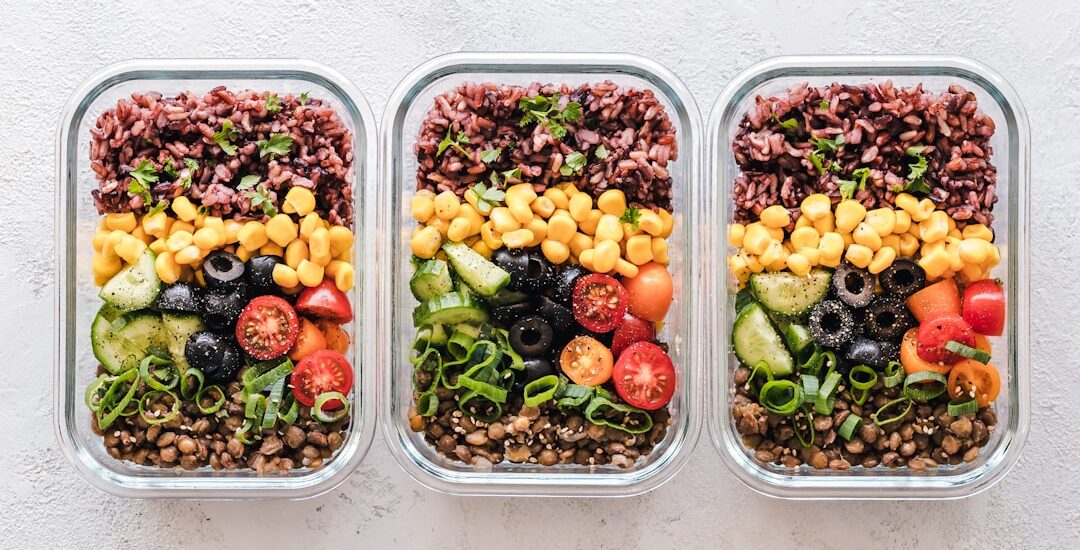
It’s 5:30 PM on a Wednesday. You’re staring into the fridge, exhausted from work, while the kids clamor for dinner. Nothing looks appealing. You’re not even sure what’s in the pantry. Sound familiar? You’re not alone—67% of Americans feel stressed about dinner decisions every single day. But here’s the good news: meal planning can reclaim 3-5 hours of your week and save your family $2,000-$3,000 annually. This isn’t about becoming a perfect meal-prep influencer or cooking elaborate recipes every night. It’s about practical strategies that help real families eat better, stress less, and keep more money in their pockets. Let’s explore how simple planning transforms both your time and your budget.
The Real Cost of Not Planning: Time, Money, and Stress
Every year, the average American family tosses $1,500 worth of perfectly good food into the trash. That’s not a typo. Between wilted vegetables that never made it into a meal, expired dairy products pushed to the back of the fridge, and last week’s leftovers that somehow got forgotten, families are literally throwing money away. And food waste is just the tip of the iceberg when it comes to the true cost of skipping meal planning.
The Hidden Financial Drain
Without a meal plan, most families fall into a predictable and expensive pattern. You swing by the grocery store three or four times a week, grabbing random ingredients without a clear strategy. You buy duplicates of what’s already in your pantry because you’re not sure what you have. Then, when dinner time arrives and nothing sounds appealing, you order takeout instead.
The numbers tell a sobering story. Takeout and restaurant meals cost three to five times more than cooking the same food at home. A $40 pizza night could have been an $8 homemade dinner. Those convenient but pricey meal kit deliveries? They’re eating up far more of your budget than strategic grocery shopping ever would. Families who embrace meal planning save between $2,000 and $3,000 annually on food expenses, money that could fund a family vacation or beef up college savings.
The Time Tax of Daily Decision-Making
Beyond the financial hit, there’s an invisible burden that wears families down: decision fatigue. Research shows that 67% of Americans feel stressed about figuring out what’s for dinner each day. That’s not surprising when you consider we make over 200 food-related decisions daily, from what to eat for breakfast to which snacks to pack for the kids.
This constant mental load doesn’t just drain your energy. It steals time. Without a plan, you’re spending precious minutes every single day staring into the fridge, scrolling through recipe websites at 5 PM, or debating with your partner about dinner options. Those seemingly small moments add up to hours of lost time each week that could be spent actually enjoying meals with your family.
How Meal Planning Cuts Your Grocery Bill by 25-30%
Walking into the grocery store without a plan is like shopping with your wallet wide open. Research shows that families who meal plan save between $2,000 and $3,000 annually on food expenses. That’s a family vacation, an emergency fund, or relief from month-end budget stress.
The savings come from four specific mechanisms that work together. First, having a detailed shopping list eliminates impulse purchases, which can reduce your grocery bill by up to 40%. Those eye-level chip displays and checkout lane candy bars? They’re strategically placed to catch unprepared shoppers. When you stick to your list, you bypass these profit traps.
Second, meal planning allows you to create strategic ingredient overlap. If you’re buying cilantro for taco night, you can plan a Thai curry later in the week that uses the rest of the bunch. This cross-utilization typically reduces costs by 15-20% compared to buying single-use ingredients that often go to waste.
Shop Your Pantry First
Before writing your shopping list, take ten minutes to inventory what you already have. Most families discover:
- Half-used bags of rice, pasta, or grains in the back of the pantry
- Frozen vegetables and proteins they forgot they purchased
- Canned goods and condiments that can anchor a meal
- Duplicate items bought during previous unplanned trips
This simple habit prevents buying duplicates and helps you build meals around existing ingredients, stretching your budget further.
Plan Around Sales and Seasons
Strategic meal planning means building your weekly menu after checking store flyers and seasonal availability. Seasonal produce costs 20-40% less than out-of-season items shipped from distant locations. When chicken breasts go on sale, plan three chicken-based meals. When strawberries hit their peak season in late spring, they’re both cheaper and more nutritious than winter imports.
This approach requires flexibility in your planning, but the payoff is substantial. A family spending $200 weekly on groceries can easily trim that to $140-150 through consistent meal planning practices.
Slashing Food Waste: From Trash to Treasure
American families toss out roughly 31-40% of their food supply each year, translating to a staggering $161 billion in wasted groceries. For the average family of four, that’s about $1,500 worth of perfectly good food ending up in the trash. The good news? Meal planning can cut that waste in half while keeping more money in your pocket.
Why We Waste (And How Planning Fixes It)
Most food waste happens because we buy ingredients with good intentions but no concrete plan. That bunch of cilantro seemed essential at the store, but without a specific recipe scheduled for Tuesday night, it wilts forgotten in the crisper drawer. Meal planning flips this script entirely. When you shop from a weekly menu, you purchase only what you need and already know how you’ll use it. That cilantro goes into Monday’s tacos, Wednesday’s curry, and Friday’s homemade salsa. Nothing sits idle long enough to spoil.
Smart Storage and Leftover Strategies
Even with a solid plan, maximizing every ingredient requires smart habits. Store fresh herbs in water like flowers to extend their life by a week. Transform Sunday’s roast chicken into Tuesday’s chicken soup and Thursday’s quesadillas. Those vegetable scraps? Freeze them in a gallon bag until you have enough for homemade stock.
The real transformation happens when you view leftovers as building blocks rather than boring repeats. Extra rice becomes fried rice. Stale bread turns into croutons or breadcrumbs. Overripe bananas wait in the freezer for smoothies or banana bread. This mindset shift, combined with intentional planning, means less guilt, less waste, and significantly more savings each month.
Reclaiming 3-5 Hours Every Week
Most families spend 30-45 minutes every evening answering the same exhausting question: “What’s for dinner?” When you multiply that daily decision fatigue by seven nights a week, you’re losing over four hours just thinking about meals. Add in multiple grocery runs, hunting for missing ingredients, and starting dinner from scratch each night, and it’s no wonder so many families feel overwhelmed.
Meal planning flips this script. By investing 2-3 hours on a Sunday afternoon, you can save 5-7 hours during your busy week. Here’s exactly how those hours add up.
The One-Shop Strategy
Multiple grocery trips don’t just waste time—they drain your energy and budget. Each unplanned store visit typically adds 45-60 minutes to your day when you factor in driving, parking, wandering aisles, and checkout lines.
With a solid meal plan in hand, you’ll:
- Create one comprehensive shopping list organized by store section (produce, proteins, pantry items)
- Shop with purpose rather than browsing, cutting your store time by 30-40%
- Eliminate decision fatigue by knowing exactly what you need for the week
- Avoid impulse purchases that lead to forgotten ingredients and food waste
One focused 60-minute shopping trip replaces three or four rushed 45-minute panic runs during the week. That’s an immediate time savings of 90-120 minutes.
Batch Cooking and Meal Prep Basics
This is where the real magic happens. Batch cooking can reduce your weeknight cooking time by 60-70% by preparing multiple meal components at once.
During your Sunday prep session:
- Wash and chop all vegetables for the week (store in airtight containers)
- Cook protein in bulk: grill 3-4 chicken breasts, brown 2 pounds of ground turkey, or roast a whole chicken
- Prepare grain bases: cook a large batch of rice, quinoa, or pasta
- Prep sauces and marinades in mason jars for grab-and-go seasoning
On weeknights, you’re simply assembling pre-cooked components rather than cooking from scratch. A meal that normally takes 45 minutes now takes 15. That’s 30 minutes saved per dinner, totaling 2.5 hours across five weeknight meals.
Better Nutrition Through Intentional Planning
Research shows that families who plan their meals have measurably higher diet quality scores and consume a greater variety of fruits and vegetables throughout the week. When you decide what to eat in advance, you’re making choices from a calm, rational place rather than scrambling at 6 PM when everyone’s hungry and tempers are short.
From Reactive to Proactive Eating
The difference between planned and unplanned eating goes beyond convenience. When you map out meals ahead of time, you naturally incorporate more nutritional variety. You might notice you haven’t served leafy greens in a few days and add a spinach salad to Thursday’s menu. You can balance heavier meals with lighter ones, ensure adequate protein across the week, and work in those whole grains that often get forgotten in the rush.
Portion control becomes easier too. With a plan, you cook appropriate amounts rather than defaulting to oversized restaurant portions or the entire box of pasta. You’re following recipes and guidelines instead of eyeballing everything, which helps the whole family develop healthier relationships with food quantities.
Families who plan also report better adherence to dietary guidelines. Whether you’re trying to limit processed foods, increase fiber intake, or manage food allergies, a written plan keeps you accountable and on track.
The Family Dinner Advantage
Perhaps the most valuable benefit is what happens around the table. Planned meals mean more consistent family dinners, which studies link to better emotional bonding, improved communication, and reduced stress for both parents and children. When dinner isn’t a daily crisis, everyone can actually enjoy the experience.
You’re not just feeding bodies when you plan meals thoughtfully. You’re creating structure, modeling healthy choices, and building family traditions that extend far beyond nutrition itself.
Your Simple 5-Step Meal Planning System
Getting started with meal planning doesn’t require fancy apps or complicated spreadsheets. This straightforward five-step system takes about 30 minutes each week and can save your family 3-5 hours of decision-making time while cutting your grocery bill by hundreds of dollars each month.
1. Check your schedule and pantry
Before planning a single meal, open your calendar and your pantry. Look at the week ahead: Which nights are packed with activities? When do you have time for longer cooking sessions? Then inventory what you already have. That half-bag of quinoa, those frozen chicken breasts, and the wilting vegetables in the crisper drawer become your starting point. This simple habit alone can reduce food waste by up to 50%.
2. Choose 5-7 meals with ingredient overlap
Select recipes that share common ingredients. If you’re buying cilantro for taco night, plan a Thai curry or Asian-inspired salad later in the week. Choose a whole roasted chicken that provides meat for three meals: roast chicken Monday, chicken quesadillas Wednesday, and chicken soup Friday. This strategic overlap means fewer items to buy and less food rotting in your fridge.
3. Make a categorized shopping list
Organize your list by store sections: produce, proteins, dairy, pantry staples. This isn’t about being fussy—it’s about efficiency. A well-organized list cuts your shopping time in half and prevents the “Oh, I forgot onions” moment that sends you back to aisle two. Include specific quantities to avoid overbuying.
4. Shop once with focus
Stick to your list and shop during off-peak hours if possible. The average family throws away $1,500 worth of food annually, often from impulse purchases that don’t fit into any meal plan. One focused shopping trip beats three rushed stops at the store.
5. Prep what you can in advance
Spend 20-30 minutes after shopping washing lettuce, chopping vegetables, marinating proteins, or cooking grains. Batch cooking and prep can slash your weeknight cooking time by 60-70%. Even small tasks—like pre-measuring dry ingredients or making a big batch of vinaigrette—create momentum for busy evenings ahead.
Making It Stick: Tips for Long-Term Success
The hardest part of meal planning isn’t creating your first week’s menu. It’s keeping the habit alive when week five rolls around and life gets messy. The secret to staying consistent isn’t perfection—it’s building a system that bends without breaking.
Start Small and Build Momentum
Forget planning every single meal right away. That’s a recipe for burnout. Instead, plan just 3-4 dinners for your first week. Leave the other nights open for leftovers, simple scrambled eggs, or takeout if needed. This takes the pressure off and lets you experience quick wins—saving time at the grocery store and eliminating that 5 PM panic.
Once you’re comfortable with a few planned dinners, gradually add breakfast or lunch prep. Building slowly creates sustainable habits that actually stick. Many families find that rotating a core collection of 10-15 favorite meals gives them enough variety without the mental load of constantly finding new recipes.
Flexibility Is Your Friend
Theme nights are game-changers for reducing decision fatigue while keeping flexibility intact:
- Meatless Monday: Bean tacos, veggie stir-fry, or pasta primavera
- Taco Tuesday: Switch up proteins and toppings each week
- Slow Cooker Wednesday: Set it in the morning, enjoy dinner ready when you get home
- Leftover Remix Thursday: Transform Monday’s roasted chicken into chicken quesadillas
- Pizza Friday: Homemade or store-bought—it’s the end of the week
Life happens. Soccer practice runs late, someone gets sick, or you’re just too tired to cook. Build buffer nights into your plan and keep emergency backup meals in the freezer. Getting your family involved in choosing meals increases buy-in too. Even young kids can pick between two healthy options, making them more excited about what’s for dinner.
Your Next Step: Start This Weekend
The benefits are clear: meal planning saves families 3-5 hours every week, cuts grocery bills by $2,000-$3,000 annually, slashes food waste in half, and reduces daily stress around dinner decisions. But beyond the numbers, meal planning gives you something even more valuable—the freedom to actually enjoy mealtimes with your family instead of dreading them.
Remember, this isn’t about perfection. You don’t need to plan every meal, prep like a professional chef, or never order takeout again. It’s about progress. Even planning just three dinners a week will transform your evenings and your budget. Start small, stay flexible, and watch how quickly the benefits compound.
This weekend, set aside just 30 minutes. Check your calendar for the week ahead, peek in your pantry, and plan three simple dinners. Make your shopping list, do one focused grocery trip, and prep what you can. Experience the difference for yourself. Next Wednesday evening when dinner comes together in 15 minutes instead of 45, when you’re not staring hopelessly into the fridge, when you’re sitting down with your family instead of scrambling—you’ll understand why meal planning isn’t just a time-saver. It’s a life-changer.