
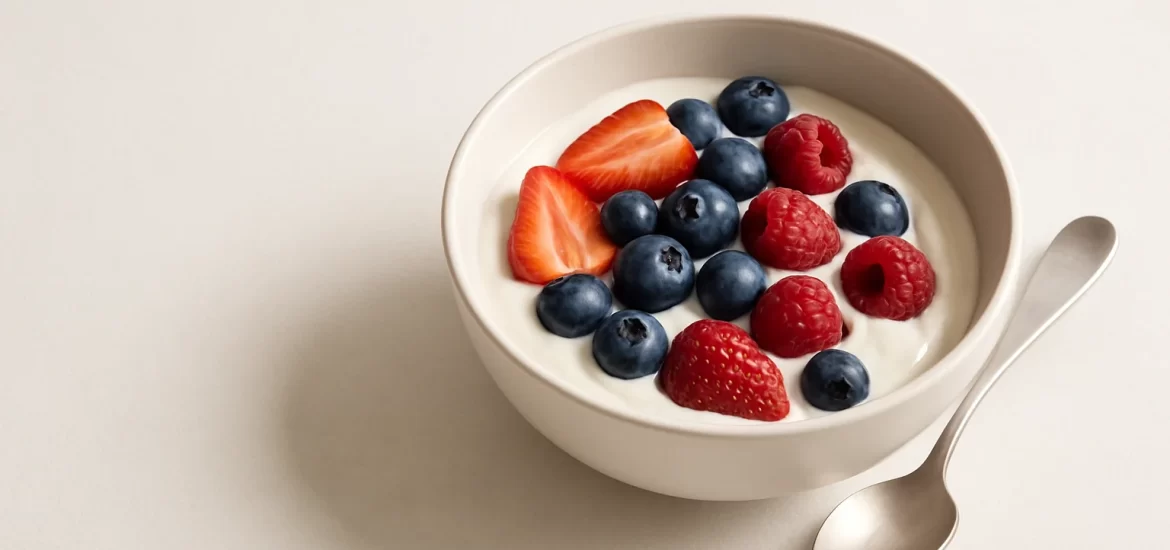
If you’re rushing through breakfast—or skipping it entirely—only to find yourself ravenous by 10 a.m., you’re not alone. Busy families face this challenge every morning: finding breakfasts that actually sustain energy and prevent constant snacking. The good news? Science has the answer. Breakfasts combining protein, fiber, and healthy fats keep you full about 25% longer than meals built around just one nutrient. In this article, you’ll find practical, family-friendly recipes backed by nutrition research, plus the simple explanation of what makes breakfast truly filling. These aren’t complicated chef-level creations—they’re realistic options for real mornings that will transform how your family feels all day long.
Why Some Breakfasts Keep You Full While Others Don’t
Ever notice how a bowl of sugary cereal leaves you ravenous by 10 a.m., while scrambled eggs with whole-grain toast carries you comfortably to lunch? The difference comes down to how your body processes three key nutrients: protein, fiber, and healthy fats.
When you understand what actually happens inside your body during digestion, choosing a satisfying breakfast becomes much simpler.
The Protein Power
Protein is your secret weapon against mid-morning hunger. When you eat protein-rich foods like eggs, Greek yogurt, or nut butter, your digestive system releases specific hormones—peptide YY and GLP-1—that travel to your brain and signal “I’m full.” These aren’t just temporary signals either. Research shows that a breakfast containing 25-30 grams of protein can reduce food cravings by up to 60% throughout the day and cut late-night snacking in half.
Even better, protein gives your metabolism a boost. High-protein breakfasts can increase your metabolic rate by 20-35% for several hours after eating, meaning you’re burning more calories just by choosing eggs over a pastry.
Fiber’s Role in Fullness
While protein sends fullness signals to your brain, fiber works a different angle. Soluble fiber forms a gel-like substance in your digestive tract that physically slows down digestion. This means nutrients enter your bloodstream gradually rather than all at once, keeping your blood sugar stable and preventing those energy crashes that send you searching for snacks.
Foods high in fiber—like oatmeal, berries, and whole-grain bread—also take longer to chew and occupy more space in your stomach, giving your body time to register that you’ve eaten.
Healthy fats complete the trifecta by triggering the release of cholecystokinin (CCK), another satiety hormone. Fats from sources like avocados, nuts, and olive oil also slow nutrient absorption, extending that satisfied feeling. The real magic happens when you combine all three macronutrients in one meal. Studies show that balanced breakfasts keep you full about 25% longer than meals built around just one macronutrient.
The Magic Numbers: How Much Protein, Fiber, and Fat You Need
Starting your morning with the right balance of nutrients isn’t just good advice—it’s the difference between feeling satisfied until lunch and raiding the office snack drawer by 10 a.m. Research shows that breakfasts containing fewer than 10 grams of protein leave 73% of people hungry within just two hours. Here’s what your breakfast plate should actually contain.
Protein Targets
Aim for 25-30 grams of protein at breakfast. This amount can reduce food cravings by up to 60% throughout the day and cut late-night snacking in half. When you eat protein-rich foods, your body releases satiety hormones like peptide YY and GLP-1, which send “I’m full” signals directly to your brain.
What does 25-30 grams look like in real food?
- Three eggs plus Greek yogurt
- A protein smoothie with protein powder, nut butter, and milk
- Cottage cheese (1 cup) with nuts and seeds
- Smoked salmon (3 oz) with avocado on whole grain toast
High-protein breakfasts also boost your metabolism by 20-35% for several hours after eating, helping your body burn more calories naturally.
Fiber and Fat Goals
Pair your protein with 5-10 grams of fiber to slow digestion and stabilize blood sugar levels. Soluble fiber forms a gel-like substance in your digestive tract that delays gastric emptying, keeping you fuller longer. Think oats, berries, chia seeds, and vegetables.
Don’t skip healthy fats. Foods rich in omega-3s and monounsaturated fats—like avocados, nuts, olive oil, and fatty fish—trigger the release of cholecystokinin (CCK), another powerful fullness hormone. These fats also slow down nutrient absorption, providing steady energy rather than quick spikes and crashes.
The Best Filling Breakfast Ingredients to Stock
Stocking your kitchen with the right ingredients makes the difference between a breakfast that leaves you ravenous by 10 a.m. and one that genuinely sustains you until lunch. The secret lies in choosing foods backed by research for their satiety-boosting properties.
Your shopping cart should prioritize ingredients rich in protein, fiber, and healthy fats—the three nutrients that work together to keep hunger at bay. Here’s what deserves a permanent spot on your grocery list:
| Ingredient | Satiety Benefit | How Much You Need | Why It Works |
|---|---|---|---|
| Eggs | 65% greater weight loss vs. equal-calorie bagel breakfast | 2-3 eggs per serving | High-quality protein triggers fullness hormones and provides sustained energy |
| Greek Yogurt | 15-20g protein per serving | 3/4 – 1 cup | Protein content plus probiotics support gut health and reduce mid-morning cravings |
| Oatmeal | 31% reduction in calories consumed at next meal | 1/2 cup dry oats | Beta-glucan fiber forms a gel that slows digestion and stabilizes blood sugar |
| Chia Seeds | Absorb 10-12x their weight in liquid | 2 tablespoons (provides 10g fiber) | Creates a filling gel in your stomach while delivering omega-3 fatty acids |
| Whole Grain Bread | 17% lower obesity risk with regular consumption | 1-2 slices | Complex carbs with low glycemic index prevent blood sugar crashes |
| Nut Butter | Slows nutrient absorption for hours | 1-2 tablespoons | Healthy fats trigger cholecystokinin release, a powerful fullness hormone |
| Berries | High fiber with minimal sugar impact | 1/2 – 1 cup | Antioxidants plus fiber without blood sugar spikes |
Stock these staples and you’ll always have the building blocks for breakfasts that actually stick with you. Aim for meals containing 25-30 grams of protein, which research shows can reduce cravings by up to 60% throughout the day. Combine a protein source with fiber-rich whole grains or seeds, add some healthy fat, and you’ve created the formula for genuine morning satisfaction.
High-Protein Breakfast Recipes That Satisfy
Hitting that 25-30 gram protein target at breakfast can slash your cravings by up to 60% and keep you energized until lunchtime. These three recipes deliver serious staying power without requiring a culinary degree or an hour in the kitchen.
Veggie-Loaded Egg Scramble
This protein powerhouse takes just 10 minutes and packs approximately 25 grams of protein per serving.
Ingredients (serves 2):
- 4 large eggs
- 1/4 cup cottage cheese
- 1 cup chopped spinach
- 1/2 cup diced bell peppers
- 1/4 cup diced mushrooms
- 2 tablespoons shredded cheddar cheese
- Salt, pepper, and garlic powder to taste
Instructions:
Whisk eggs with cottage cheese until smooth. Heat a non-stick skillet over medium heat with a light spray of olive oil. Sauté peppers and mushrooms for 2-3 minutes, then add spinach until wilted. Pour in the egg mixture and gently scramble until just set. Top with cheddar cheese and let it melt. The cottage cheese adds extra creaminess while boosting protein without you even noticing it’s there.
Greek Yogurt Power Parfait
This no-cook option delivers 28-30 grams of protein and satisfies your sweet tooth naturally.
Ingredients (serves 1):
- 1 cup plain Greek yogurt (2% or full-fat)
- 2 tablespoons almond butter
- 1/4 cup mixed berries
- 2 tablespoons chopped walnuts
- 1 tablespoon chia seeds
- Drizzle of honey (optional)
Layer Greek yogurt in a bowl or jar, swirl in almond butter, then top with berries, walnuts, and chia seeds. The combination of protein-rich yogurt and healthy fats from nuts keeps you fuller longer than any pastry ever could.
Protein-Packed Smoothie Bowl
Unlike thin smoothies that leave you hungry an hour later, this thick bowl provides 27 grams of protein and requires a spoon.
Ingredients (serves 1):
- 1 scoop vanilla protein powder
- 1/2 cup Greek yogurt
- 1/2 frozen banana
- 1/4 cup frozen berries
- 2 tablespoons peanut butter
- 1/4 cup unsweetened almond milk
- Toppings: sliced almonds, hemp seeds, fresh berries
Blend protein powder, yogurt, frozen fruit, peanut butter, and just enough almond milk to create a thick consistency. Pour into a bowl and add your toppings for extra crunch and nutrition. The frozen fruit creates that thick, ice-cream-like texture that makes this feel indulgent rather than diet food.
Fiber-Rich Breakfast Recipes for Lasting Energy
Fiber acts like a natural brake pedal for your digestion, slowing down the breakdown of food and creating a steady release of energy that keeps you satisfied for hours. When you start your day with fiber-rich foods, you’re essentially building a breakfast that works with your body’s natural hunger signals rather than against them. These three recipes each deliver 10+ grams of fiber alongside complex carbohydrates with a low glycemic index, helping you avoid those mid-morning energy crashes that send you reaching for a second breakfast.
Overnight Oats with Chia
This powerhouse breakfast combines two fiber champions—oats and chia seeds—to deliver 12 grams of fiber per serving.
Quick Recipe:
- Mix 1/2 cup rolled oats with 1 cup unsweetened almond milk
- Stir in 2 tablespoons chia seeds and 1/2 teaspoon vanilla extract
- Add 1/2 cup mixed berries and 1 tablespoon chopped walnuts
- Refrigerate overnight (or minimum 4 hours)
- Top with a drizzle of almond butter before serving
The soluble fiber in chia seeds forms a gel-like substance in your digestive tract that delays gastric emptying, keeping you fuller longer. Oats have a glycemic index of just 55, right at the threshold for low-GI foods.
Avocado Toast Done Right
Transform basic avocado toast into a fiber powerhouse by choosing the right base and toppings.
Build it this way:
- Start with 2 slices sprouted whole grain bread (6g fiber)
- Mash 1/2 avocado with lemon juice and red pepper flakes
- Top with 2 tablespoons hemp seeds or pumpkin seeds (3g fiber)
- Add sliced tomatoes and microgreens
- Optional: 1-2 poached eggs for added protein
Total fiber: 10-11 grams. The healthy fats in avocado trigger the release of hormones that signal fullness to your brain, while the seeds add both fiber and satisfying crunch.
Berry Flax Smoothie Bowl
This thick, spoonable smoothie delivers 11 grams of fiber with a glycemic load that won’t spike your blood sugar.
Blend together:
- 1 cup frozen mixed berries
- 1 banana (frozen for thickness)
- 2 tablespoons ground flaxseed
- 1 cup spinach
- 3/4 cup unsweetened oat milk
- 1 tablespoon almond butter
Top with: sliced kiwi, 2 tablespoons granola, and additional berries
The ground flaxseed provides soluble fiber that stabilizes blood sugar levels while adding omega-3 fatty acids that further enhance satiety.
Balanced Breakfast Bowls: Combining All Three Macros
When you combine protein, fiber-rich carbohydrates, and healthy fats in one meal, you create a breakfast that keeps you satisfied significantly longer than meals built around just one macronutrient. Research shows these balanced combinations can extend fullness by about 25% compared to single-macro meals, which means fewer mid-morning snack attacks and better energy levels through lunch.
The secret lies in how these three macros work together in your digestive system. Protein triggers satiety hormones that signal fullness to your brain. Fiber slows digestion and prevents blood sugar spikes. Healthy fats delay nutrient absorption and release cholecystokinin, a hormone that tells your body you’re satisfied. Together, they create a sustained release of energy rather than the quick spike and crash you get from carb-only breakfasts.
Savory Quinoa Power Bowl
This protein-packed bowl delivers about 28 grams of protein along with complex carbs and healthy fats. Cook ½ cup quinoa according to package directions. Top with one or two fried or poached eggs, ¼ sliced avocado, a handful of sautéed spinach or kale, cherry tomatoes, and a sprinkle of pumpkin seeds. Add a dash of hot sauce or everything bagel seasoning for extra flavor. The quinoa provides complete protein and fiber, eggs boost the protein count, avocado adds satisfying fats, and the vegetables contribute additional fiber and nutrients.
Sweet Potato Breakfast Hash
Dice one medium sweet potato and pan-fry in a tablespoon of olive oil until crispy and golden. Push to the side of the pan and crack two eggs into the empty space, cooking to your preference. Add two cups of fresh spinach during the last minute, letting it wilt. The sweet potato offers complex carbohydrates with a low glycemic index, the eggs provide 12-14 grams of protein, the olive oil supplies heart-healthy monounsaturated fats, and the spinach adds fiber and iron. This combination keeps blood sugar stable while providing sustained energy.
A simpler option is a cottage cheese bowl: Start with one cup of cottage cheese (25 grams of protein), add ½ cup mixed berries, two tablespoons of chopped walnuts or almonds, one tablespoon of chia seeds, and a drizzle of honey. This takes three minutes to assemble but delivers all three macros in perfect balance.
Quick Grab-and-Go Options for Busy Mornings
When you’re rushing to get everyone out the door, breakfast often becomes whatever you can grab in 30 seconds. But skipping a proper morning meal or relying on sugary pastries comes with real consequences—research shows that regularly skipping breakfast increases diabetes risk by 21% and typically leads to overeating later in the day.
The solution isn’t finding more time in your mornings. It’s using Sunday afternoon to set yourself up for success.
Make-Ahead Breakfast Prep
Spending just 45 minutes on meal prep transforms your entire week:
- Egg muffins: Whisk 12 eggs with chopped vegetables, cooked turkey sausage, and shredded cheese. Pour into a muffin tin and bake at 350°F for 20-25 minutes. Store in the fridge for up to 5 days. Each muffin delivers about 7 grams of protein.
- Overnight oats jars: Combine ½ cup rolled oats, ½ cup milk, 1 tablespoon chia seeds, and your choice of toppings in mason jars. Make five at once. The chia seeds provide soluble fiber that slows digestion and keeps blood sugar stable.
- Smoothie freezer packs: Portion out spinach, frozen berries, banana slices, and a scoop of protein powder into individual bags. In the morning, dump one bag into the blender with milk and blend for 60 seconds.
5-Minute Assembly Options
When you haven’t meal prepped, these combinations still beat the drive-through:
- Two hard-boiled eggs (keep a batch in your fridge) with whole grain crackers spread with almond butter
- Greek yogurt (aim for 15+ grams of protein) topped with a handful of granola and fresh berries
- Whole grain toast with mashed avocado and everything bagel seasoning, paired with string cheese
- Cottage cheese mixed with cinnamon and sliced apple
Each option combines protein, fiber, and healthy fats—the trifecta that actually keeps you satisfied until lunch.
Start Your Morning Right
The truth about filling breakfasts is surprisingly simple: it’s not about eating more calories, but choosing the right combination of protein, fiber, and healthy fats. When you build your morning meal around these three nutrients, you’re working with your body’s natural hunger signals instead of fighting against them. The science backs this up—78% of successful weight maintainers eat breakfast daily, and it’s not because they have more willpower than the rest of us.
You don’t need to overhaul your entire morning routine tomorrow. Start with just one or two recipes from this article and see what works for your family. Maybe it’s the veggie-loaded egg scramble on weekends and overnight oats on busy weekdays. Perhaps your kids love the Greek yogurt parfait while you prefer a savory quinoa bowl. The goal is finding sustainable options that fit your real life, not some idealized version of it.
These small breakfast changes can create a ripple effect throughout your day. When you start your morning satisfied, you’re less likely to reach for the office donuts at 10 a.m. or overeat at lunch. You’ll have steadier energy, fewer cravings, and better focus. Most importantly, you’ll be modeling healthy eating habits for your children—showing them that breakfast isn’t just something to rush through, but an opportunity to fuel their bodies and set themselves up for success. That’s a lesson worth waking up a few minutes earlier for.